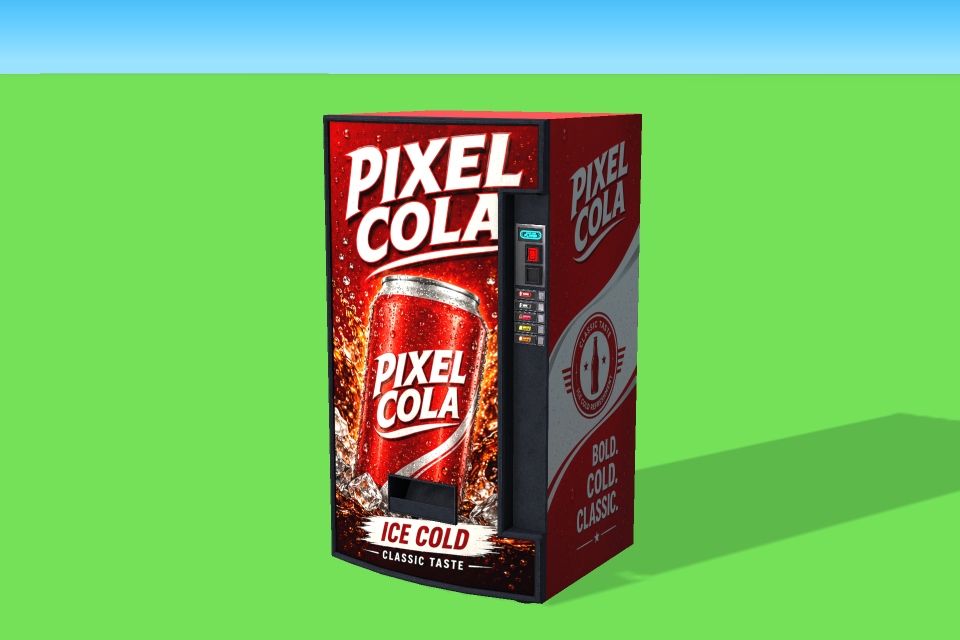
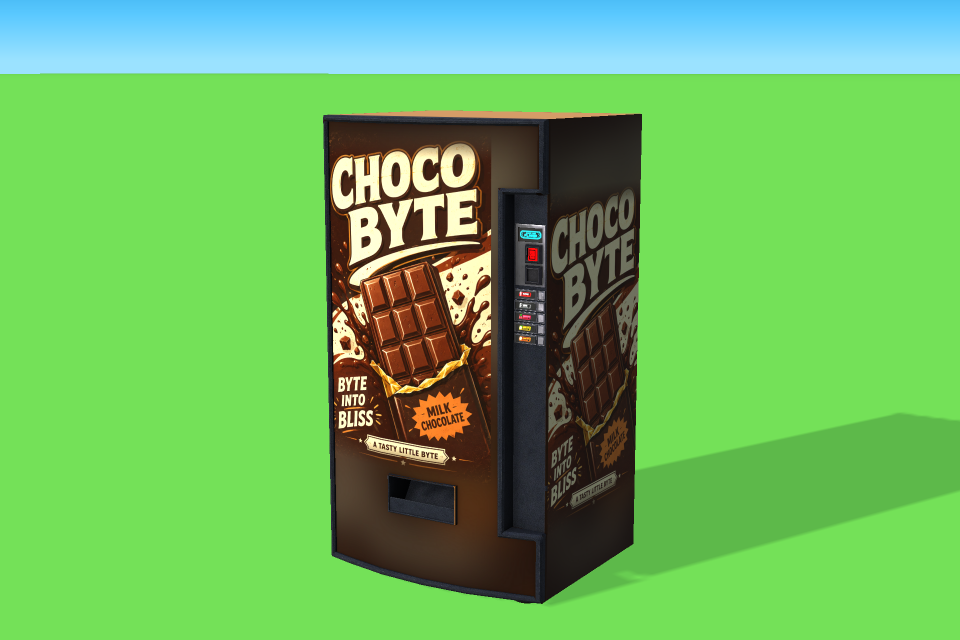
Every shop
Prices beside each item are what a shop opens with - yours to change - and the chips under them are what it does to the guest who buys it. The figure at the foot of every card is what the shop itself costs to put down.
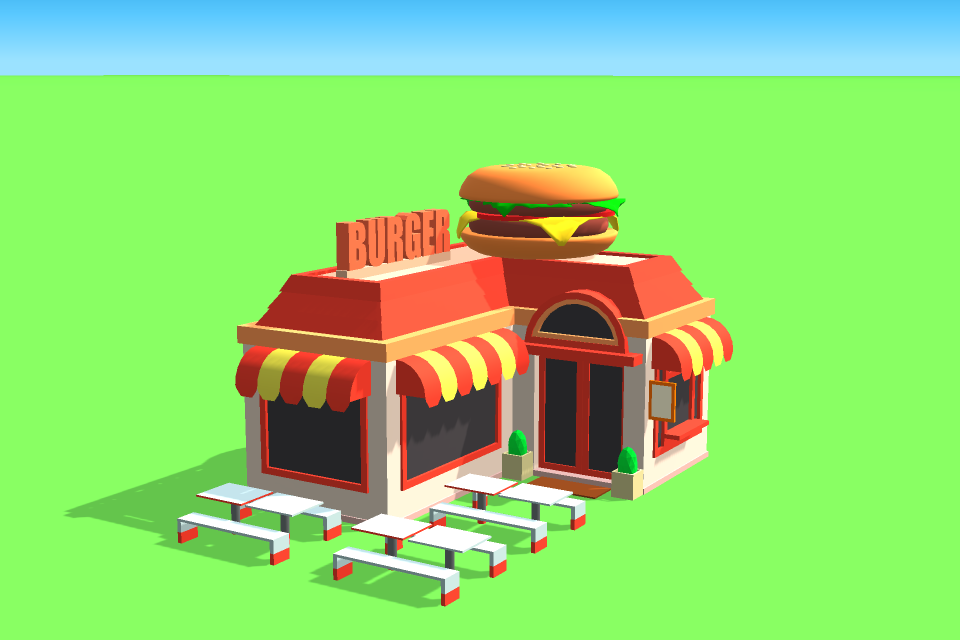
Burger restaurant
Four lines · the most filling stop in the park, with a terraceHot food to order, and the messiest shop you can build - everything here comes in a wrapper. Its terrace seats six, so guests sit down to eat instead of wandering off with it.
The saltiest thing on the menu, and the reason to put a drinks stand across the path.
Cold, plain and cheap. Nothing to get wrong.
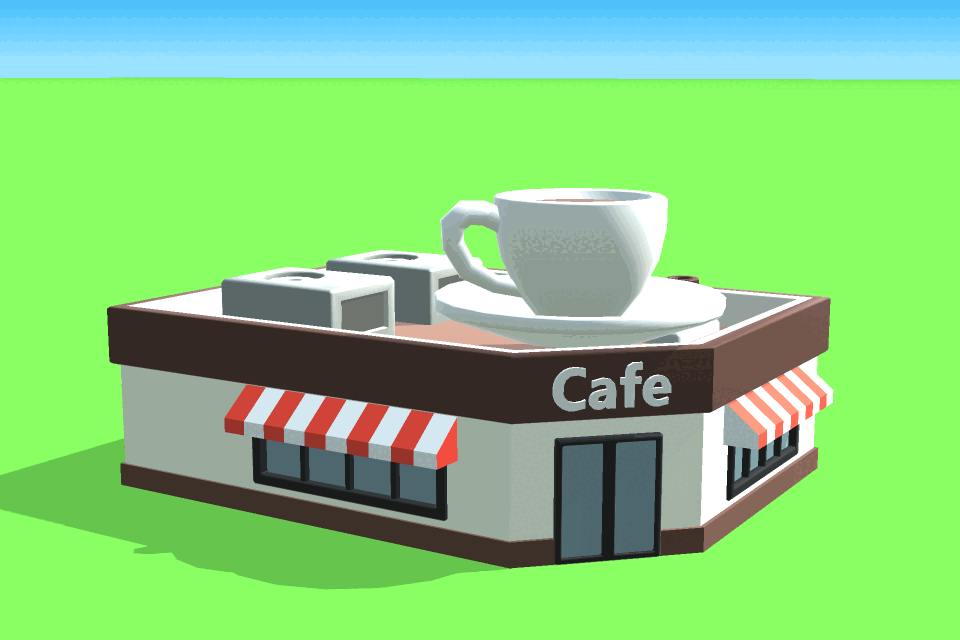
Café
Six lines · the sit-down oneA proper coffee house - and a pot of tea for anyone who does not want one - with a counter of pastries to go with it. Lay a paved terrace of tables and chairs out front and guests will sit down, set their cup on the table and stay a while.
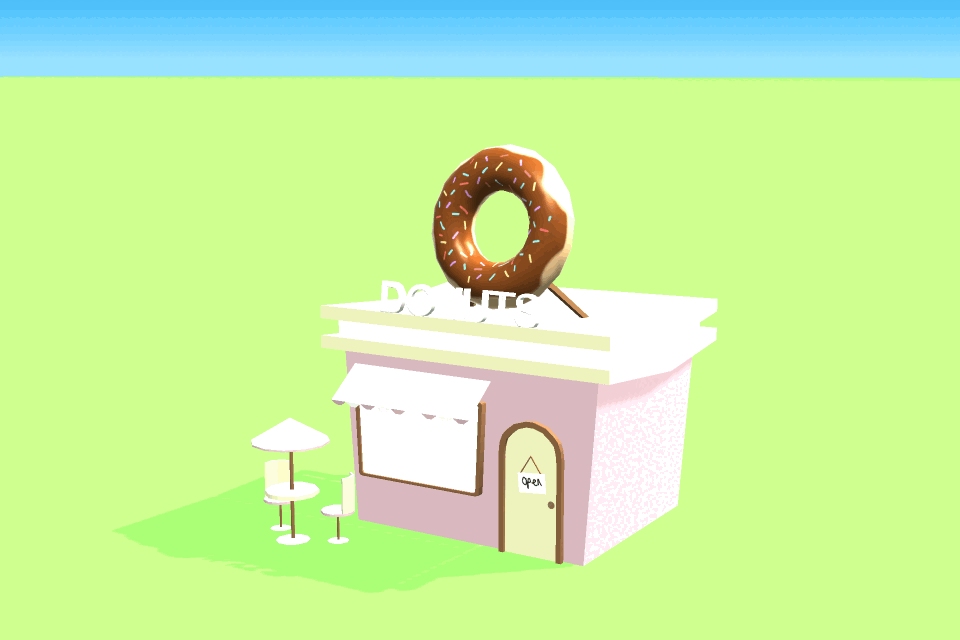
Donut stall
One lineA pink kiosk with a giant donut on the roof that does one thing and does it well. Sweet enough that guests come away thirsty, so a drinks stand or a coffee shop next door does well out of it too.
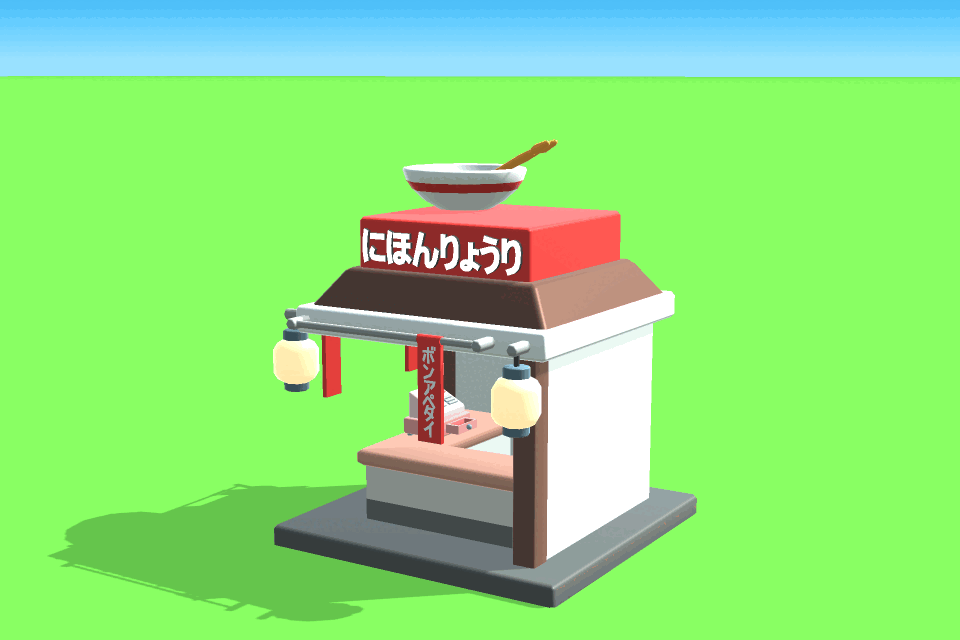
Noodle shop
One lineA proper meal, and the best energy in the park short of coffee.
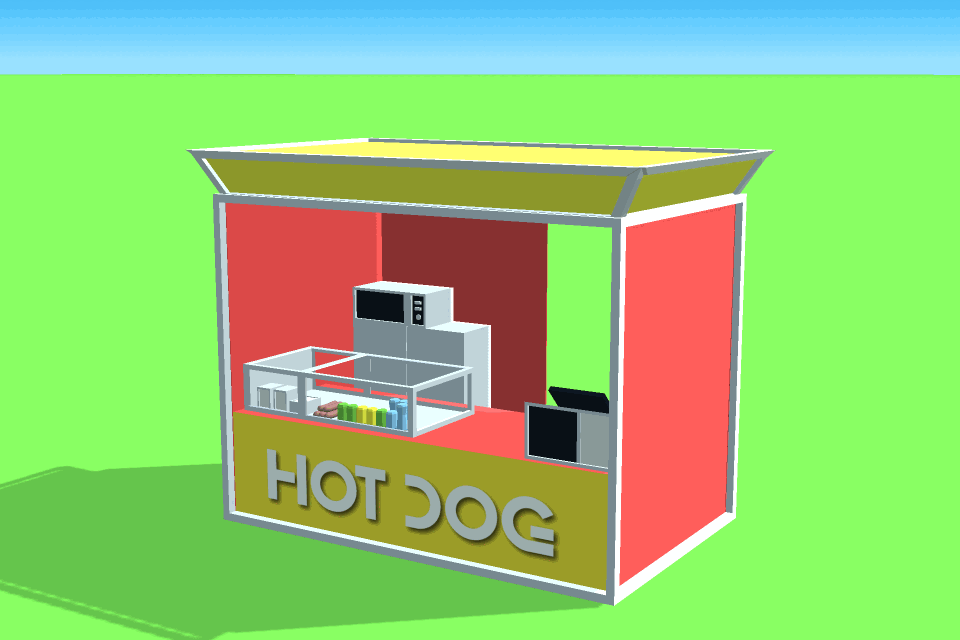
Hot dog stand
One lineA street kiosk that does one thing well, and fits into corners a proper shop will not.
Coffee shop
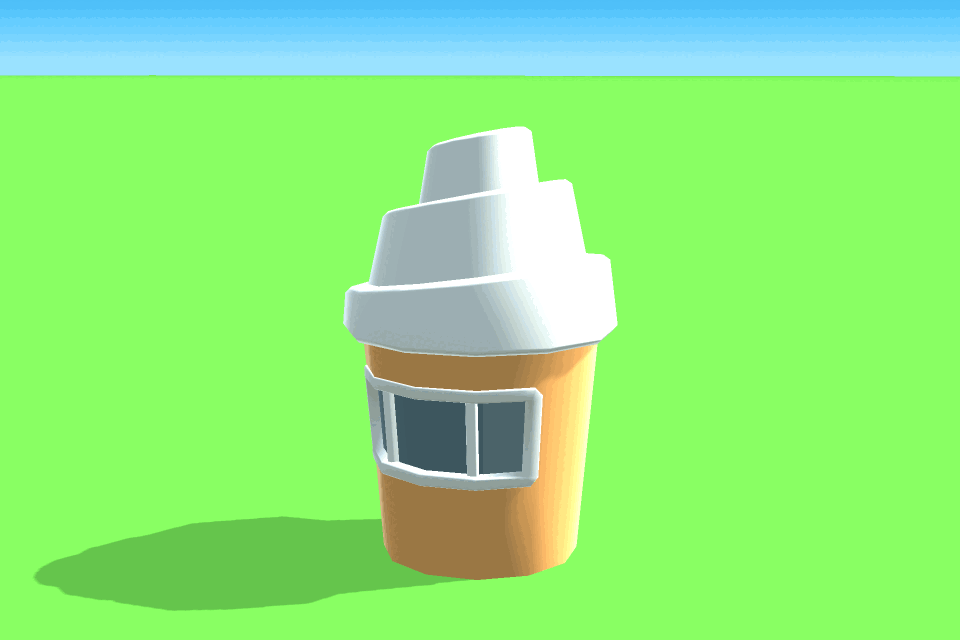
One lineThe biggest pick-me-up there is. It goes straight through a guest, though - every cup fills a third of their bladder.
Soft drinks shop
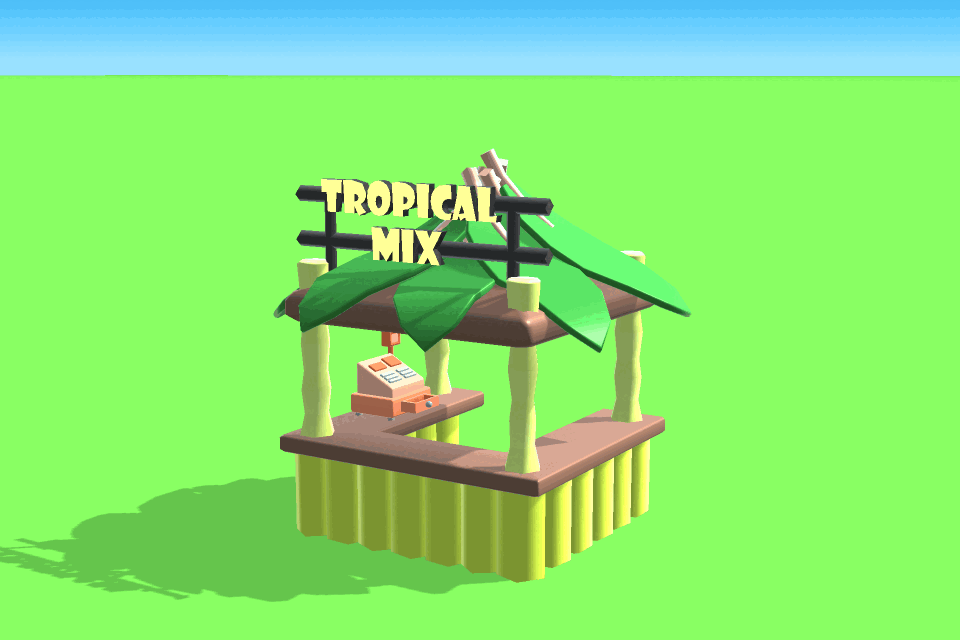
Two lines · the fastest way to deal with a thirsty crowdCold and fizzy. What goes in must come out, so a busy drinks stand makes for busy toilets.
The sweeter one: more of a lift, quenches a little less well.
The best thirst quencher in the park.
Slushie stall
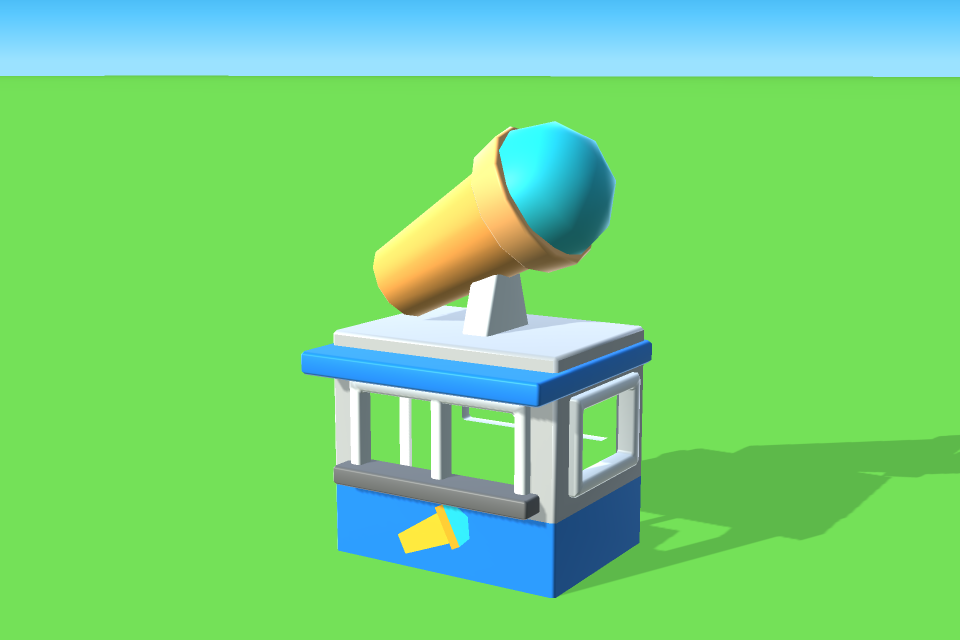
Three lines · sells hardest when the sun is outCrushed ice and syrup. Everything here is served cold, so a hot afternoon empties the counter and a wet one leaves it untouched.
The one everybody pictures. A good drink and a good sugar hit at once.
The sweetest of the three: more of a lift, and it quenches least.
The sharp one. Nearly a match for the lemonade, and colder.
Ice cream shop
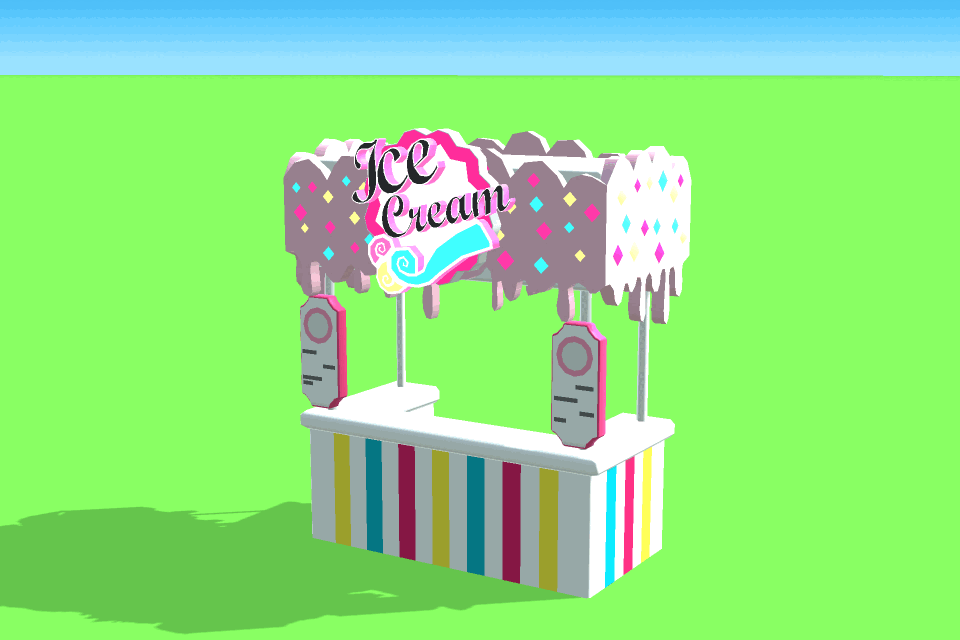
Two linesA scoop in a cone, eaten on the spot with no wrapper to clean up - or a lolly for anyone in more of a hurry, which does leave a stick behind.
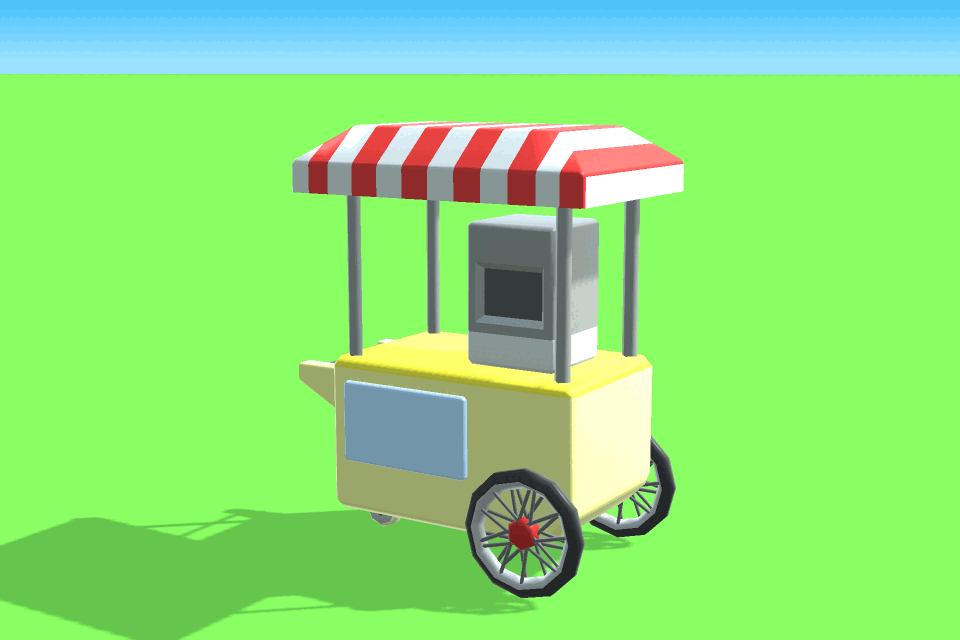
Popcorn & candy
Three lines · the cheapest counter in the parkFairground snacks. Salty enough to sell drinks for the stand next door, and sweet enough to be pure mess.
The cheapest thing you can sell, and a snack that leaves no wrapper - the stick goes in a pocket. It fills almost nothing and is carried around for ages, which is the whole appeal of one.
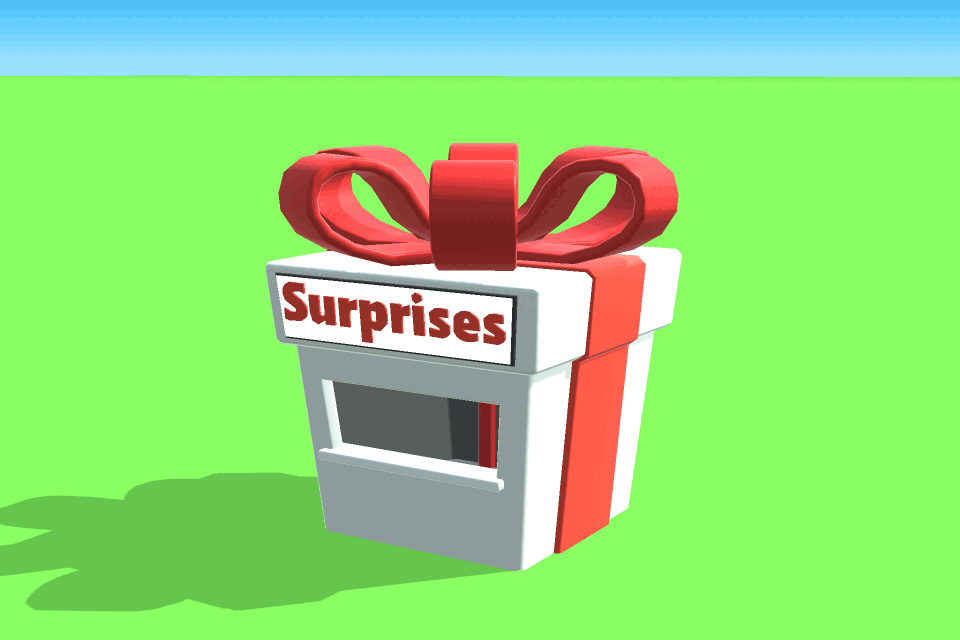
Gift shop
Three lines · nothing here answers a needThe one shop that sells nothing a guest actually needs, and the one whose stock advertises itself.
Off sale unless it is raining - and then everybody wants one, over anything else in the park.
Handed over the counter and put straight in a pocket. A little something to take home, and it cheers them up.
Carried on a string for the rest of the day, cheering that guest up the whole time - and every guest who walks past one wants their own. The only purchase that survives boarding a ride.