Lay a carpet, fill it with coin-ops, and take a little money a great many times. An arcade earns in bad weather, after dark, and from the guests who are too small for your best rides.
A machine is not a stall - it will not stand on grass. Lay a carpet, then put the machines on it.
Three patterns, € 100 for a 4 x 4 slab, available from the start. Paint as much floor as you like and the machines snap onto it.
When the weather closes your thrill rides and empties your paths, an arcade is where the park keeps taking money.
No thrill rating, no nerve to lose. The guests who will not go near your coaster will happily feed a cabinet all afternoon.
Every one is priced per go, and you set that price. Two of them give something back.
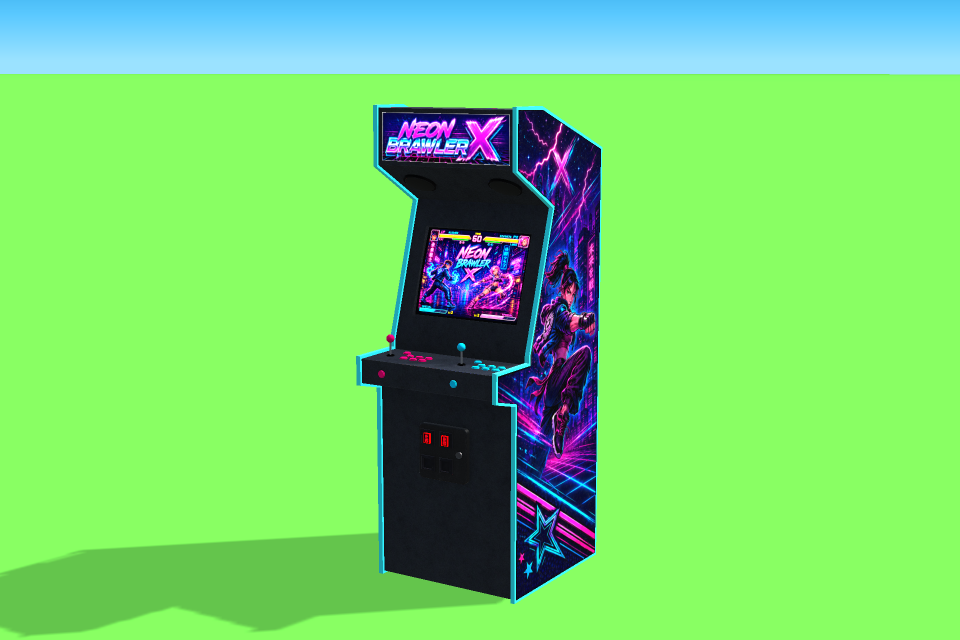
The backbone of a floor. Five different cabinets so a row of them does not read as one machine repeated, and the cheapest go in the building.
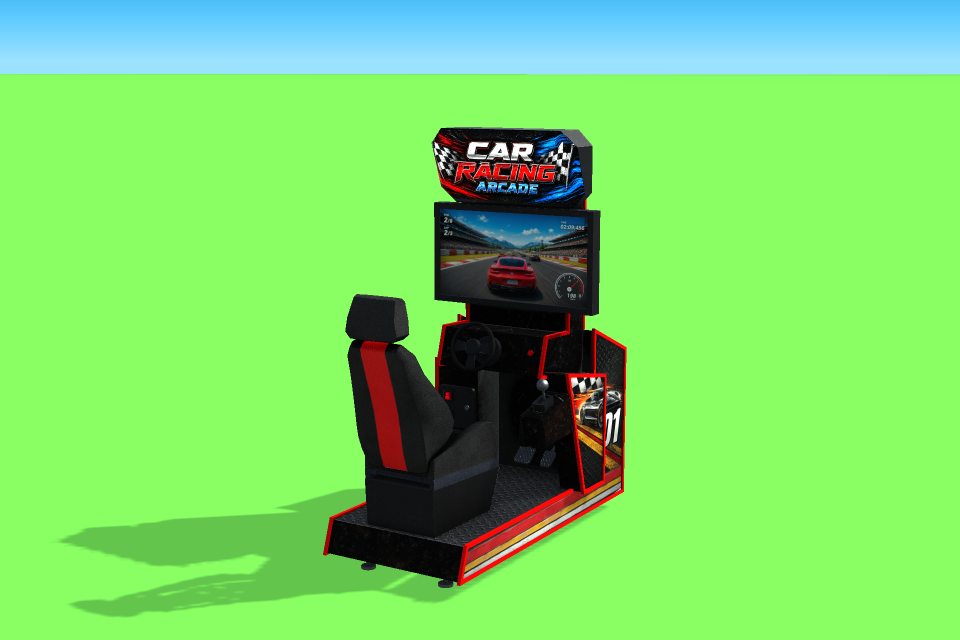
A seat, a wheel and a longer go. Guests sit down to play it, so it holds them longer and earns more per square metre than a stand-up.
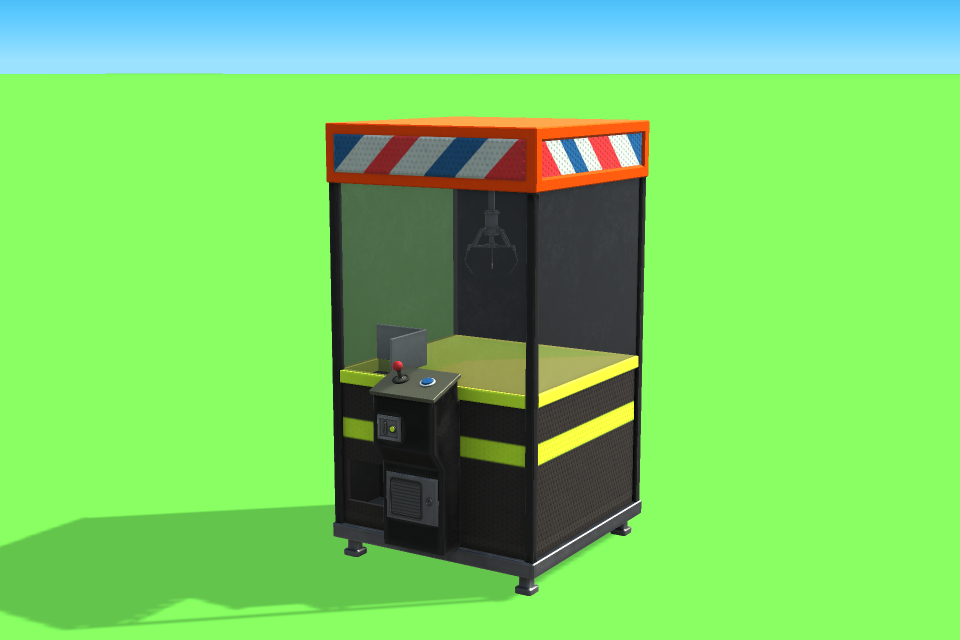
The only machine that hands anything over. You set the odds and the quality of what is in the bin, and a winning go really fishes a teddy out of the pile.
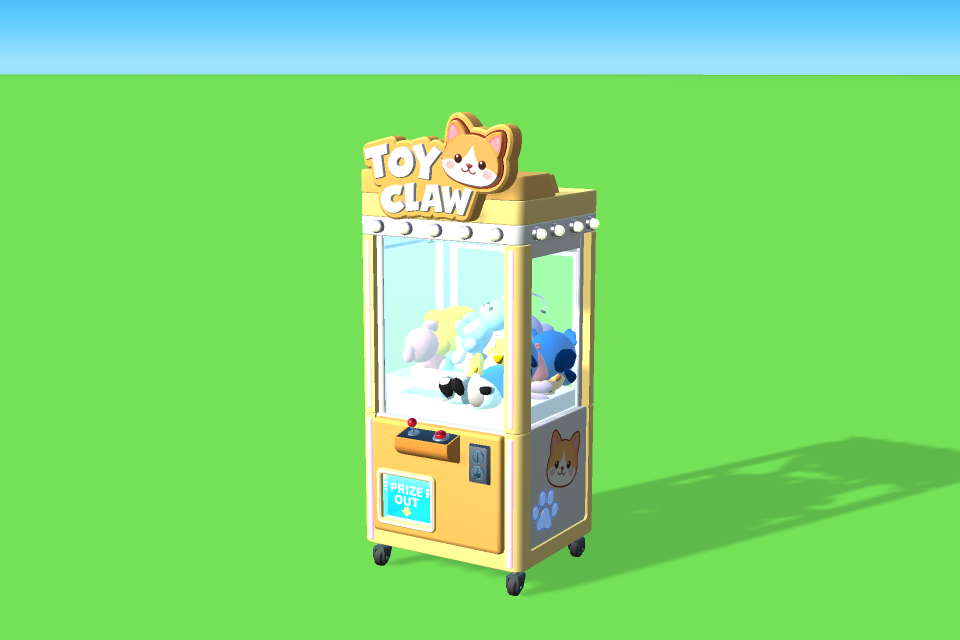
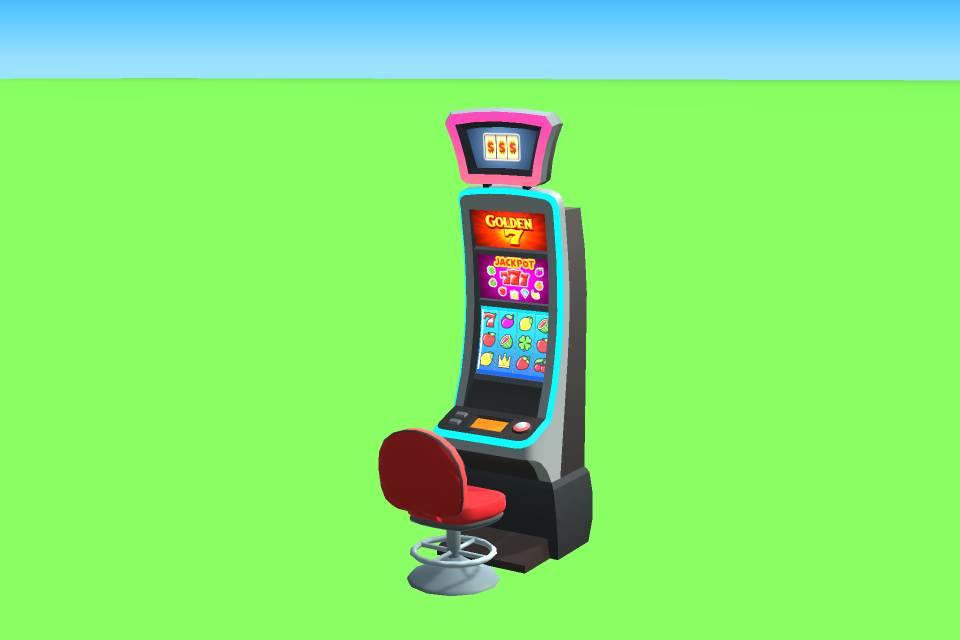
Reels, lights and noise. Pays an arcade token every go and a jackpot of six to twelve when the reels come in - the only source of tokens in the park.
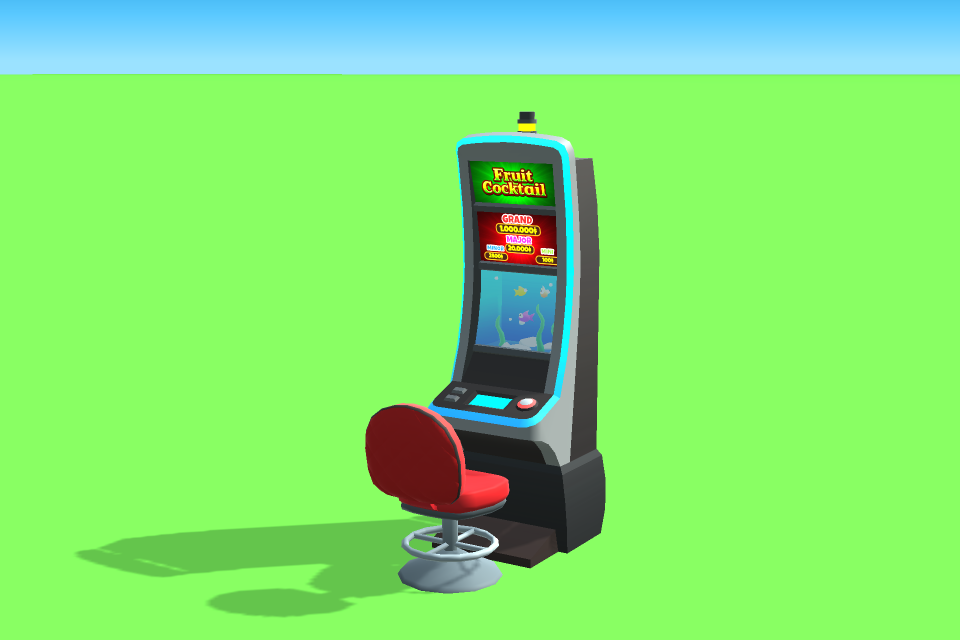
The same bet in a different cabinet, lit like a fish tank. Pays a token a go like its neighbour, so a pair of them fills a prize shop twice as fast.
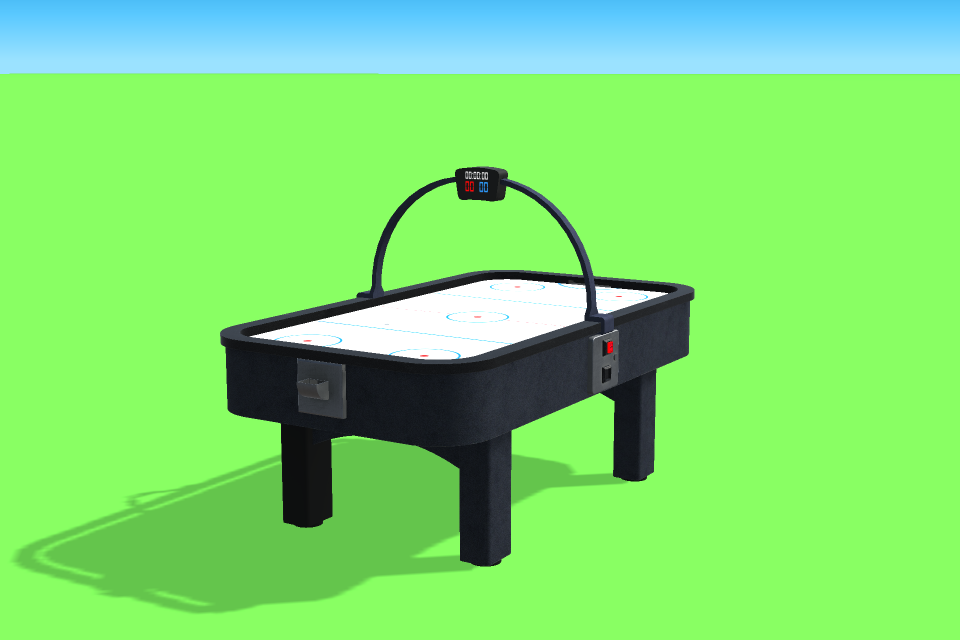
Two guests, one table, and they arrive together. A machine that seats a pair pulls families off the path in a way a row of cabinets does not.
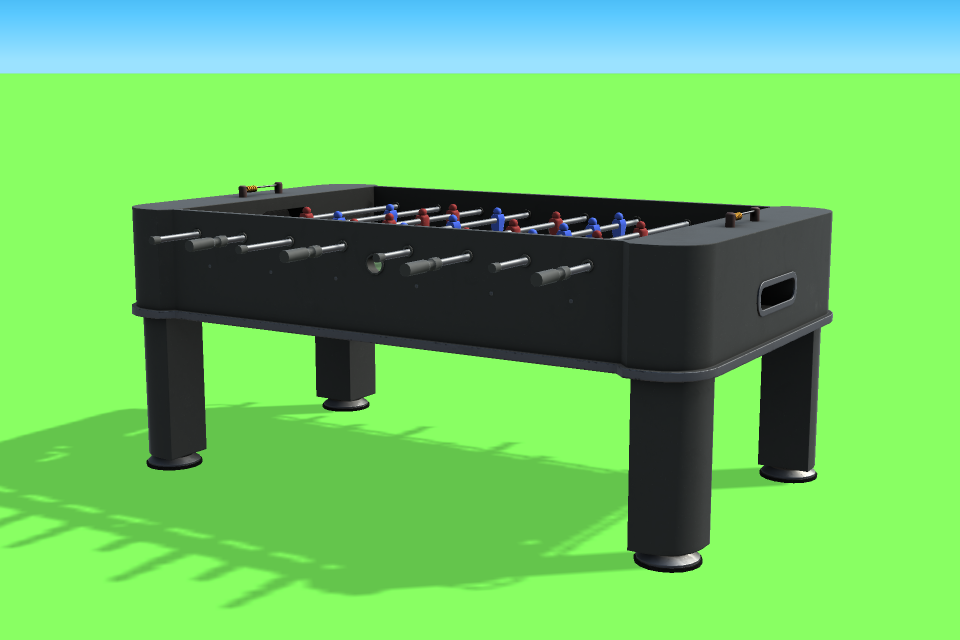
The busiest thing you can put on a carpet: four guests at once, and the longest go in the arcade.
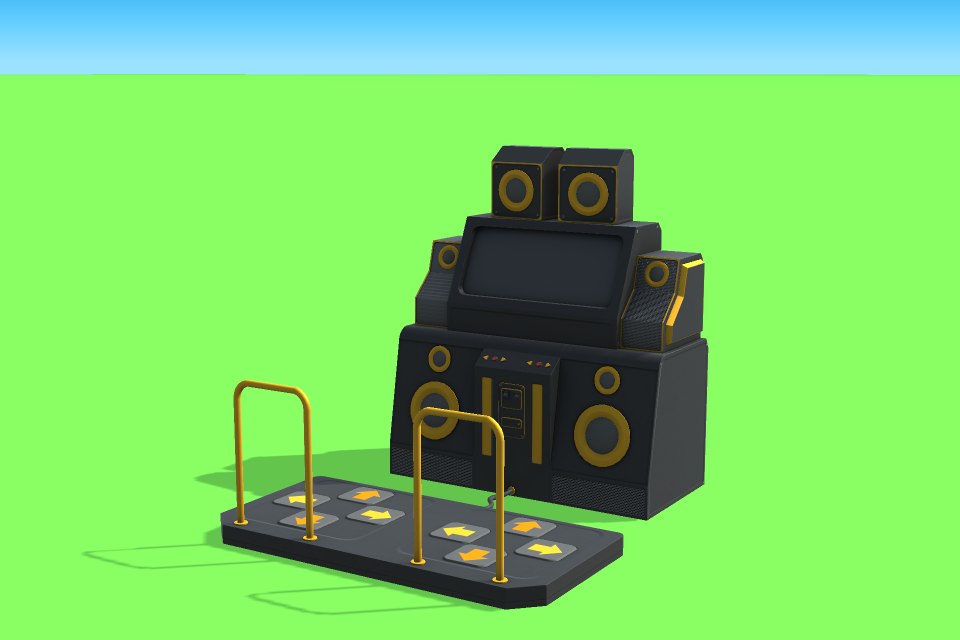
A pair of pads, and the guests stand on them rather than sit. The most expensive machine to build and the one people watch.
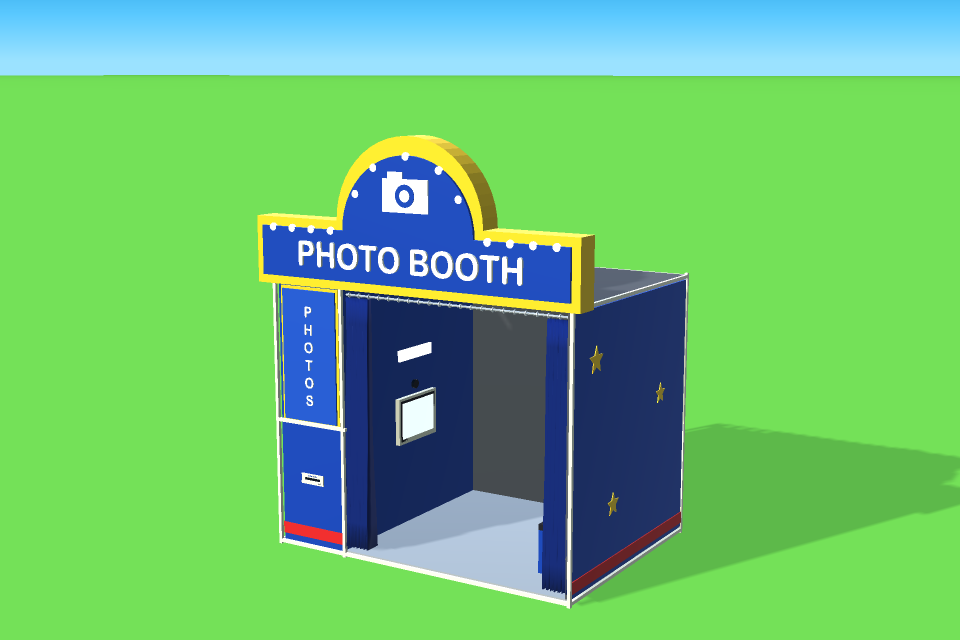
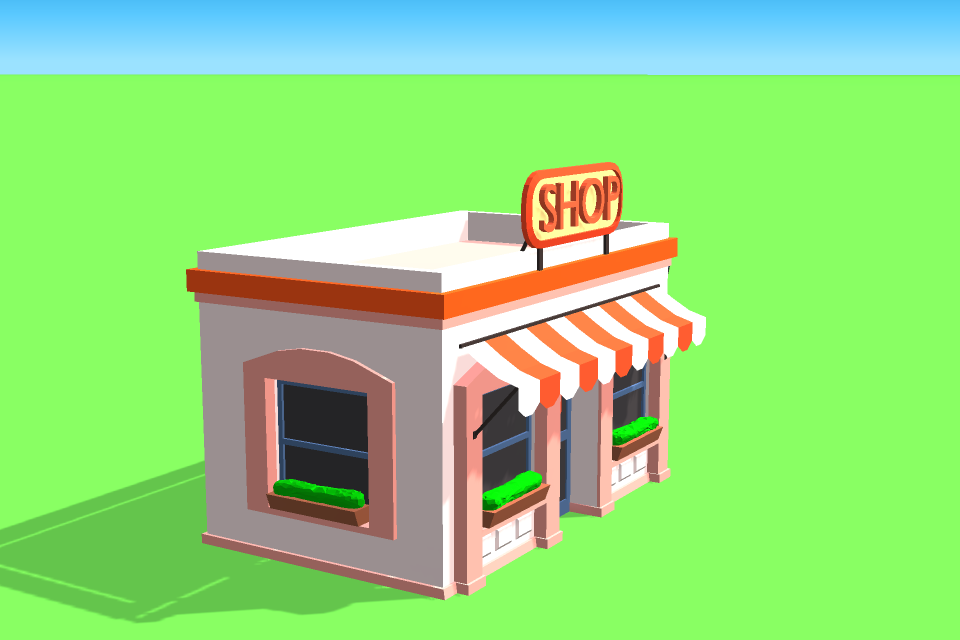
The slot machines pay arcade tokens. The prize shop is the only counter in the park that takes them - and it takes nothing else.
Six toys on the shelf and no till. A guest saves up across a whole visit and walks out with the best one they can afford - so what it is worth to you is exactly as much as the slot machines standing near it.
The big one, with the mane. A lucky afternoon.
Every spin on a slot machine pays a token whether it wins or not, and the reels coming in pay six to twelve more. That is deliberate: a guest gets a handful of arcade goes in a whole visit, so a jackpot-only payout would send everybody home empty-handed and leave the prize shop selling nothing.
A token is a claim on a toy, not cash - nobody leaves your arcade richer than they arrived. You paid for the prize when you stocked the shelf; they paid for it a coin at a time at the machine.
Like a balloon or a teddy off the claw, a prize is a keepsake: it survives the next ride, and it keeps lifting its owner's mood for as long as they have it.
The claw machine is the one place in the game where you decide how often a guest wins - and both extremes cost you.
Tight odds earn more per go and less overall. A guest who watches three people lose in a row walks off, and word gets round. A generous machine costs you a teddy every few plays and keeps a queue on it.
Prize quality is a separate dial. Bigger teddies cost you more to stock and are worth more to the guest carrying one - and a large one is nearly half the height of the child holding it, which is exactly what winning should look like from across the park.
Two more things out of the arcade pack. Both are one tile, both need no staff, and both go on the Shops tab in game.
Pixel Cola, Neon Lemon, Cosmic Cherry, Turbo Orange and Arctic Berry - each machine sells the one drink painted on its front. Dearer than a stall and it fits in a corridor a stall could never stand in.
A guest who is running low and enjoying themselves draws more out and carries on spending. One who is having a bad day walks past it and goes home - so it rewards a park people like rather than rescuing one they do not.